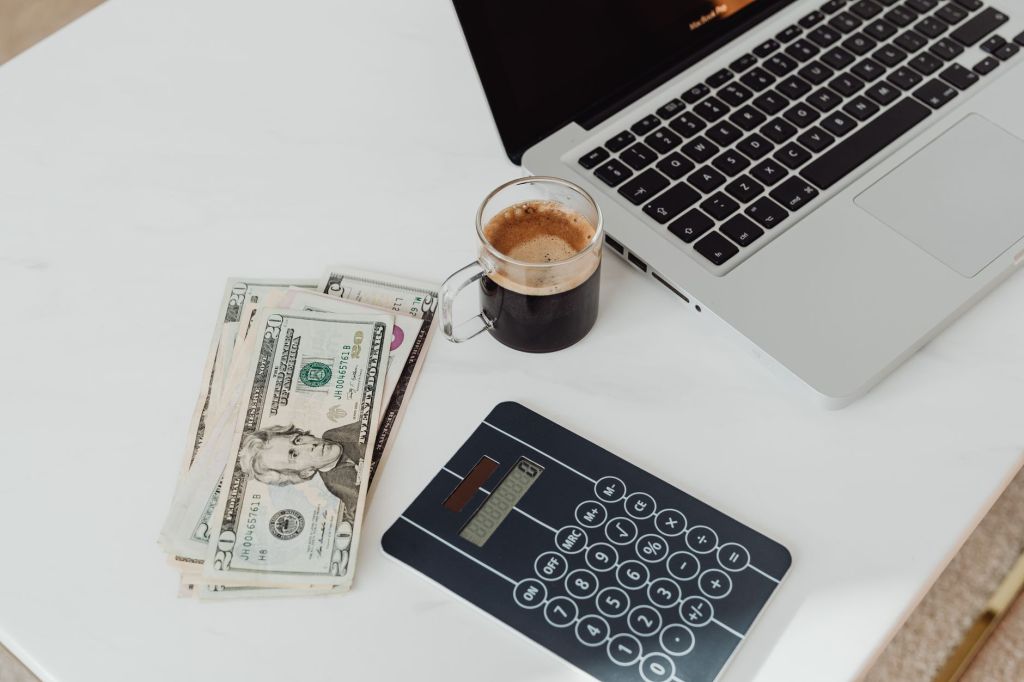


If you could sit down with your younger self for ten minutes, what would you tell them? You might warn them about a bad relationship, tell them to study a different subject or urge them to take more risks. For me, the conversation would start in a very unglamorous place: finances. Especially those small, unnecessary purchases – n overpriced snack at a vending machine at work, an energy drink on the way, that coffee after shopping or even small subscription fee for an app.
When you’re young, broke and navigating your first real job, money often feels like something you don’t have (especially if you don’t come from a wealthier family and your first job is a low paying one) or can control. You may think financial ruin or success happens because of massive life events, like buying a car, getting a huge raise or making a terrible investment.
What nobody tells you is that financial pain (and financial freedom) doesn’t sneak up on you. Doesn’t matter how much you earn, you control where your money is going. It might be easier if you have a higher salary, of course. But often our failure is connected to your daily habits and (lack of) planning ahead.
I have to prefix this post with some information about me – especially if you just discovered my blog – I’m an adult in my 30’s who earns minimum wage. I come from a family who was drowning in debt when I was younger. Nobody taught me anything about finances (this topic was taboo in my home) and I had to figure out a lot of things on my own. So it’s not like I’m preaching about something I haven’t personally experienced.
When I turned 18, I opened a bank account with a very expensive bank, just because my mother was banking there and she felt loyalty to whoever would borrow her money at the time… Because there was a balance requirement I couldn’t meet with my first job working customer service at a call center, I was paying a lot in fees, just to have an account in that bank.
Right around the corner there was another bank that would charge me 0 (zero!) up until I was 26 years old, for an account with exactly the same functionalities. Financial literacy at its finest 👌🏻 🤣
The Math of Micro-Spending
Let’s look at a classic trap I fell into constantly as a young adult, who just started making my own money: buying a small treat at work because “it’s only 2 euros” and I didn’t bring lunch to work. That sounds harmless, right? It is just pocket change. But let’s look at what happens when it becomes a routine: 2 euros a day, 10 euros per week, 40 euros per month (let’s say we work 20 days per month, just for math’s sake). Not that much, right? Annually: 480 euros.
Suddenly, that innocent little snack has cost you nearly 500 euros a year. And because it comes from the vending machine, we already know that its price is inflated enormously. If you sustained that habit for a decade, you’ve spent 4,800 euros on candy bars and chips. Not only unhealthy but also such a waste of money.
Now, scale that up. Add the 4 euro coffee you grabbed because you were tired, the 15 euro dinner because you didn’t meal prep and you don’t have time to cook tonight. These tiny amounts leaving your wallet easily add up to thousands of euros a year.
So whenever people make fun of avocado toast and take out coffee, I have mixed feelings. Yes, our generation has it more difficult that Boomers when it comes to crucial things in life, such as job security and housing. But when you are broke, you have to watch every cent. Make that avocado toast at home 😉
The Power of Micro-Saving
The cruel joke of compound math is that it works both ways. The exact same mechanism that drains your bank account can also build it.
If only my younger self had taken that exact same 40 euros a month from the vending machine and invested it – or even just put it into savings account earning a modest return – the story would look entirely different.
Instead of losing 4,800 euros over 10 years on snacks, redirecting that money into savings turns it into a growing asset. More importantly, it trains your brain. Saving isn’t about sacrificing all the joy in your life; it’s about recognizing the true value of your micro-decisions.
One off purchase won’t do any harm. Making a habit out of it will. And as I’m sitting here trying to figure out how much margin for savings I have left after all of my expenses, it is clear that I simply cannot afford those small unnecessary purchases.
It is frustrating, because I cannot save as much as I would like to (again, minimum wage) and I lost over a decade spending money on things that I did not need.
One of the lessons I’ve learned is that you don’t need to completely overhaul your life overnight to see a change. You just need to become aware of the small, autopilot choices you make every single day.
I would tell my younger self to budget and pay attention to everything that is going in and out. Don’t waste money on unnecessary things and fees. Temporary “sacrifice” is going to benefit us in a long run. I can see it now but I wished I actually understood it when I was in my 20’s.
What is one small financial habit (good or bad) that took you years to figure out? Let me know!


Leave a comment