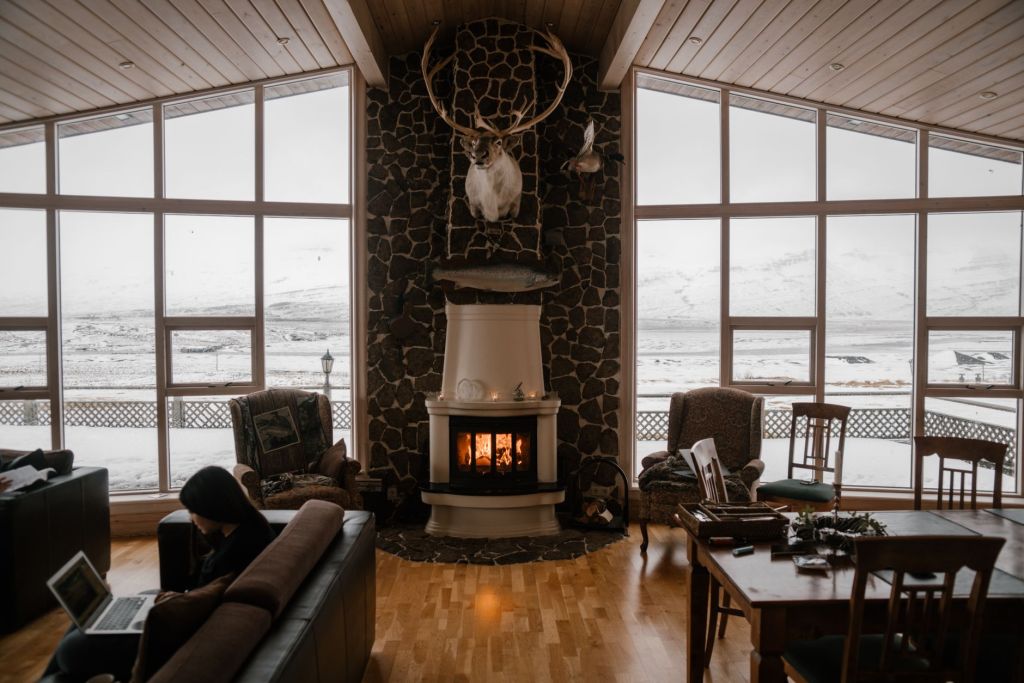
If you’ve been looking at local news lately or scrolling through Reddit, you’ve probably noticed the annual winter anxiety setting in. Everyone is asking the same question: Have you turned on your heating yet?
With natural gas prices hitting high marks and overall energy costs, people are looking for quick fixes. A recent headline in the NL Times caught my eye “Dutch turn to electric heaters amid highest natural gas prices in years“. Apparently hardware stores saw an 82% surge in electric heater sales as people rushed to find an alternative to turning on their central heating powered by natural gas.
At the same time many people cannot afford at all to heat up their homes upcoming winter. It is really sad and dangerous, because staying warm in the winter is not only about being comfortable – it has an impact on our health as well. I can see this cost of living crisis putting many people in a spiral where they cannot afford basic necessities, get sick, be unable to work due to sickness or their contract not being extended because they were sick “too much”.
But buying an electric space heater to save costs? Honestly, I’m torn when it comes to this subject. There’s no solution that fits every situation, as I have seen posts from people who recently changed their boilers to a modern one and regret it, as the new boiler is not as energy efficient as the old one was and they end up paying more…
My initial reaction to people running to get electric space heaters? It’s a financial trap. Plugging in a 2,000-watt fan heater might feel like you’re outsmarting the gas company, but standard space heaters have a 1:1 energy conversion ratio. At current electricity rates, running one to warm up a whole room can end up costing you vastly more than central heating, depending on efficiency of hardware you have at home.
Either way, I would watch energy consumption closely and make a decision based on what is actually going on in your household.
Right now, we live in a modern, A energy label apartment with very good insulation. We barely have to think about the cold in the winter and it doesn’t get as hot in the summer, as some older apartments do. But soon, we’re moving into a house that is a complete mystery to us when it comes to thermal efficiency. Energy label C doesn’t really tell you much, until you actually live there. Will it be cozy? Drafty? A total icebox?
Instead of panic buying an electric fan heater, I’ve been building a playbook of low cost and habit based ways to stay warm and save money during winter.
Heat the Human, Not the Space
Next week the nighttime temperature will drop below 10°C. Our first instinct is to turn up the thermostat and warm up hundreds of cubic meters of cold indoor air. Instead, focus your energy on keeping yourself warm in your immediate personal space.
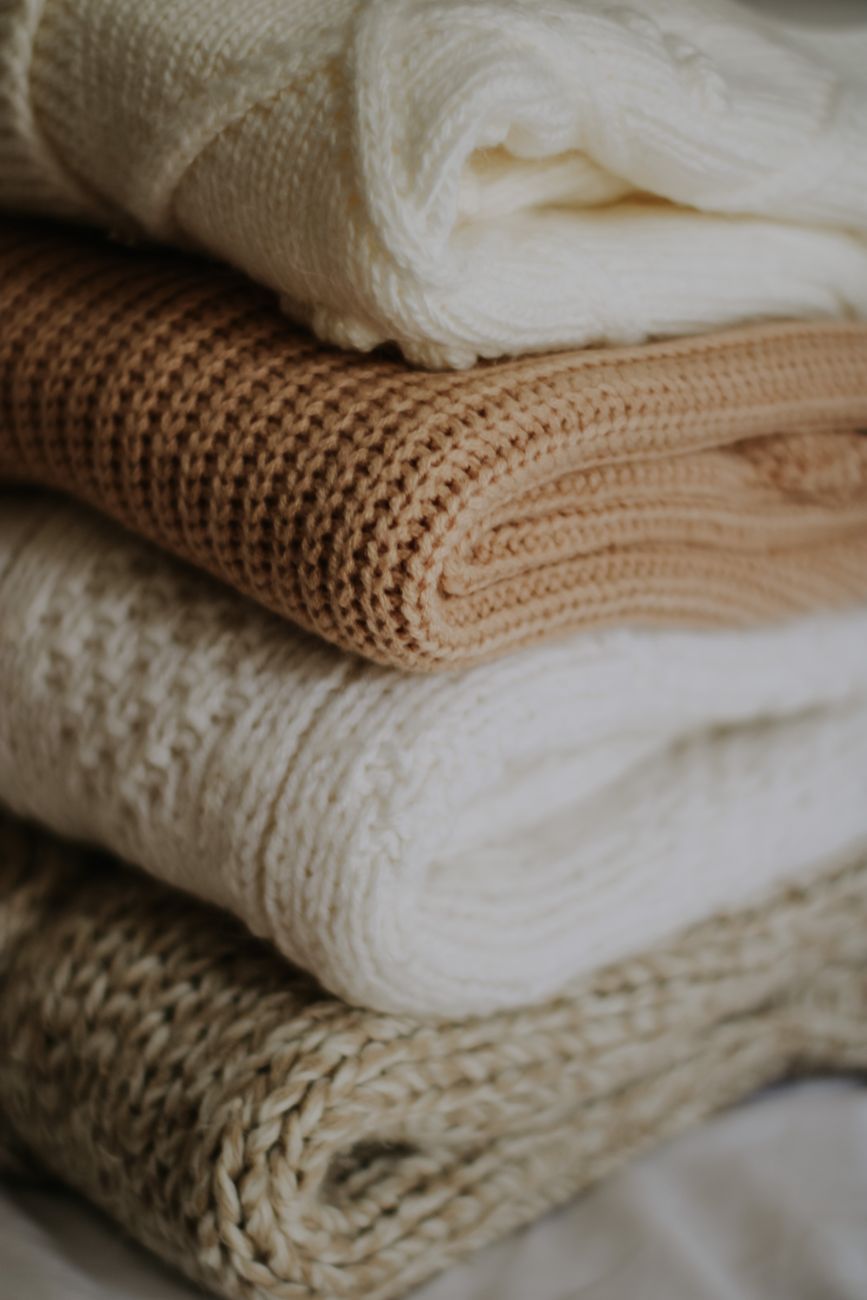
- low wattage heated blanket: a low wattage heated throw blanket pulls around 40 to 60 watts. Drape it over yourself while working or watching TV. It costs much less per day to run while keeping you completely toasty.
- hot water bottle (kruik): an absolute classic for a reason. Boil a kettle, fill up a hot water bottle and tuck it under a blanket on your lap or at the foot of your bed 20 minutes before sleep.
- microwave wheat bags: perfect for resting on cold shoulders or keeping cold feet warm.
From a quick research, you can get a hot water bottle for 6-10 euros, while an electric heated blanket can cost you 50-80 euros.
I’m holding off pulling a trigger on anything until we move and actually experience the new home. I have 2 hot water bottles but they are over a thousand kilometers away, at my family home… I moved to the Netherlands 7 years ago and never even thought about retrieving them. Now I wish I would have done it.
The Indoor Wardrobe
Warm clothing needs to become your primary layer of insulation.
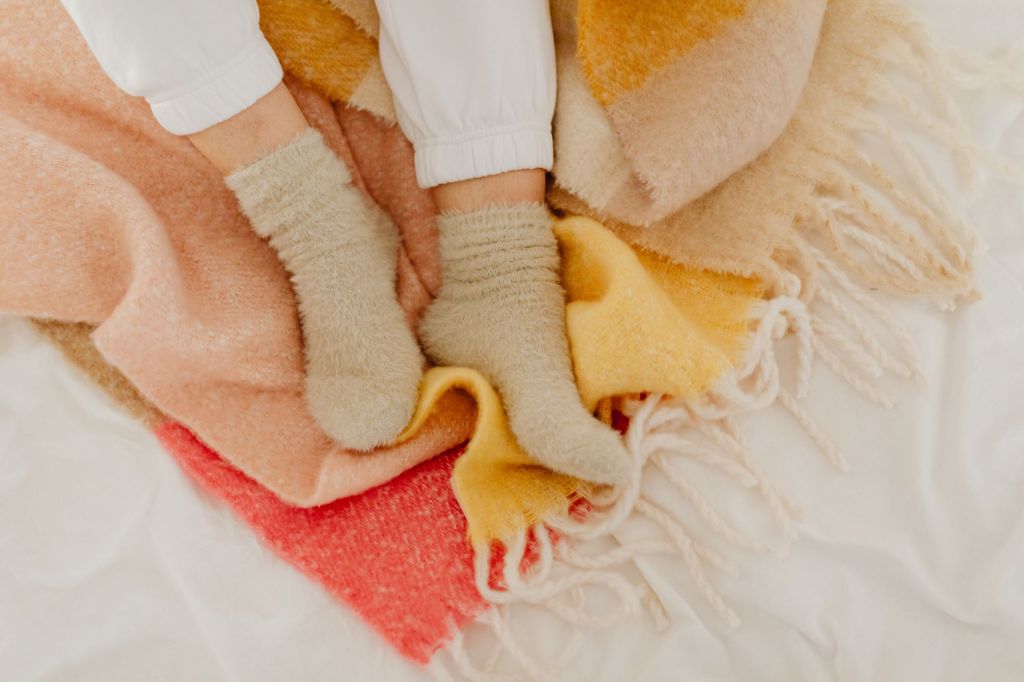
- ditch cotton: cotton is great during warmer months, but it can trap moisture and make you feel colder when you sit still. Synthetic thermals (not my favorite due to micro-plastics) or merino wool trap body heat without adding bulk.
- avoid cold feet: cold feet make your entire body feel freezing. Wear a thin inner sock, a thick knitted wool sock over it and indoor slippers with a solid rubber or felt sole. Layering is key in the winter, not only when we go out.
- fingerless gloves: if you work from home, typing with cold hands is miserable. Fingerless gloves or wrist warmers keep your pulse points warm while leaving your fingers free to type. I personally use fingerless gloves at work (in a warehouse) and layer them with regular gloves.
Stop the Leaks (DIY Fixes)
Before spending any money on insulation upgrades, do a simple “thermal audit”. Find where the cold air is sneaking in and block it using items you already own.
- DIY draft snakes: don’t go out and buy plush door snakes. Roll up an old pair of thick jeans, towel, blanket or whatever materials you can find at home. Place them at the base of exterior doors and drafty interior doors.
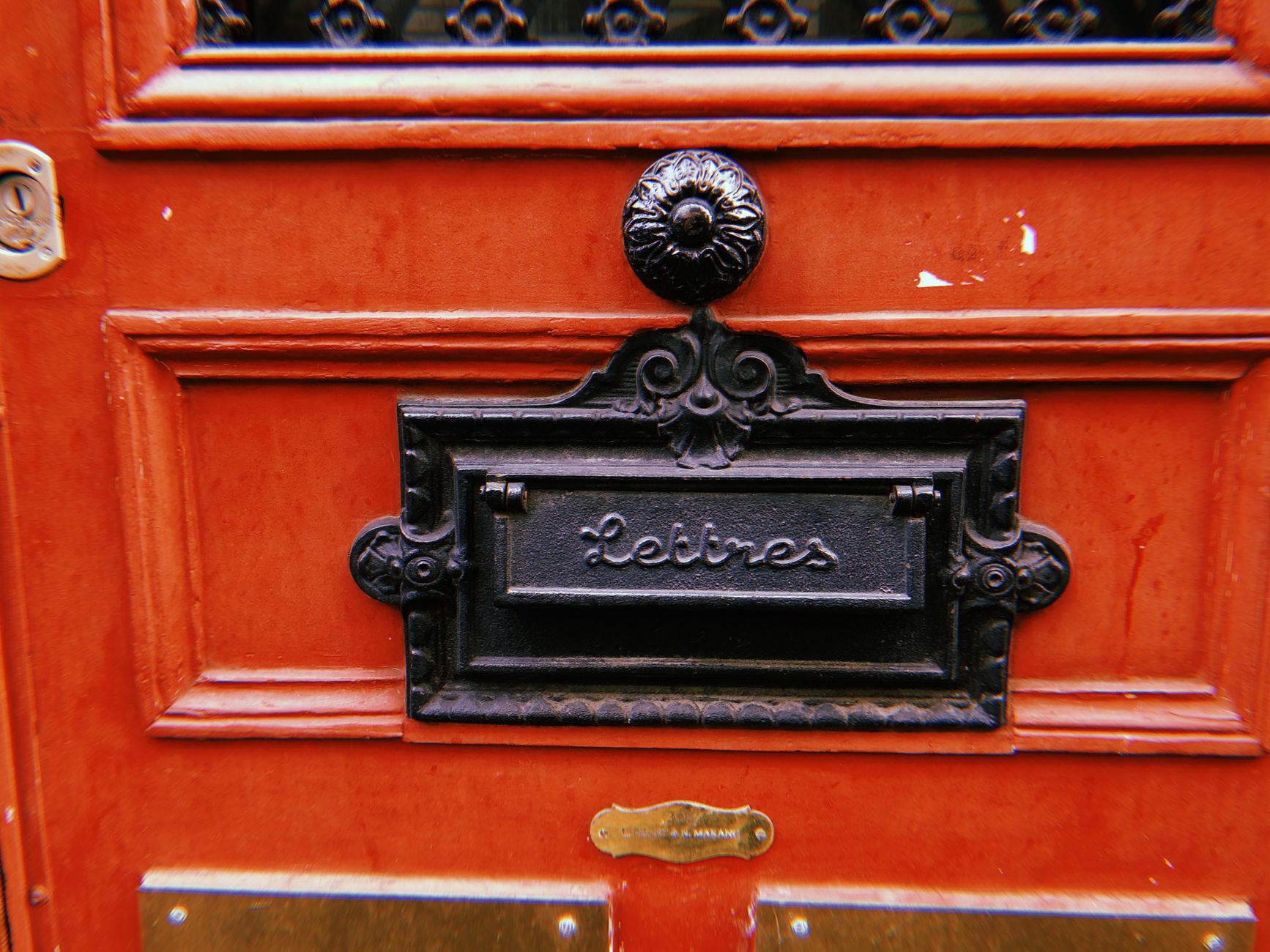
- seal the mailbox slot: front door mail slots can act like wind tunnels. Taping a piece of heavy fabric, felt or cardboard over the inside of the flap during a colder months will help with keeping wind out.
- curtains: sunlight is free heat. Keep curtains wide open on south facing windows during the day to let natural solar heat in. The second the sun sets, close the curtains to create a barrier against cold glass.
- foil behind radiators: if your place has radiators on outside walls, slipping reflective radiator foil behind them ensures heat is reflected back into the room rather than escaping through thin exterior brickwork.
Embrace “Zone Heating”
Trying to keep every single room at 20°C (68°F) is an expensive mistake, especially if you live in a house.
- close doors to unused rooms: keep doors closed to guest rooms, hallways and storage areas so your living spaces don’t lose heat to empty zones.
- adjust thermostat timers: don’t heat the house while you’re sleeping or away. Set your heating schedule to bring the house up to a moderate temperature right before you wake up, then let it dip lower during the day or night.
Upcoming months will be tough for me, even though I’m in a privileged position of not having to turn off the heating completely. I always joke that I’m a lizard and lose heat the second I move away from the heat source. That’s actually true and not a joke – some people are still rocking t-shirts at work, while I’m wearing layers. I was also lucky to score very good second hand winter jackets on Vinted.
And as a crocheter with way too much yarn in my stash, I can DIY my accessories – I already finished my scarf and I will probably make some wrist warmers.
Moving into an unknown house is always a bit nerve wracking, for many different reasons, but treating winter weather as a habit challenge rather than a shopping trip puts the power back in my hands.
Even though I hate cold with passion, I don’t need to head to the hardware store for the quick fix – at least not yet – first I need a good pair of wool socks, layers and a little strategy.
Have you turned your heating on yet this season? What’s your favorite zero cost or cheap trick for staying cozy when the temperature drops? Let me know in the comments below!


Leave a Reply